




This post is part one of a two part series on our decade-long experience managing multiple properties in Chicago. Today will cover the more practical parts of being landlords; time commitment, leasing, background checks and maintenance. Part two will focus on the bigger picture; ethics, financing and ‘is it worth it?’

We’ll start by addressing the fact that we dislike the term ‘Landlord’. It’s antiquated and arcane and it doesn’t reflect the spirit of our approach to managing our properties. If anyone has a better word that we could adopt, please let us know! In the meantime, we’ll begrudgingly stick with it for ease of use.
In This Post
How It All Began
In 2013, it was a buyer’s real estate market here in Chicago, which was great for us as we searched for a new home. We had been in our condo for around 7 years and desired a bit more space, but wanted to stay in our neighborhood. The good news was that we fell in love with our current home (which is zoned as a two-unit building) and could afford to buy it! The bad news was that if we sold our condo at that time, we’d barely break even on the transaction. This would leave very little money left for updates and renovations.

Our condo is the first home we purchased together. We had a lot of fun with bright colors, building our DIY skills, and hosting way too many people for dinner parties in this 650 square foot home!
Our solution? Buy the house and rent the condo for a few years until the market improved and we could recoup some of our investment. And that, friends, is how we became landlords… twice! You see, not only would this plan involve renting the condo, but since the new house was zoned as a two unit building, we were able to rent the garden unit to offset our mortgage!
Easy, right? Not entirely.
In the 10 years since that fateful decision, we’ve sold the condo, purchased and renovated the Two Flat and are still renting the garden unit after it received a much needed renovation. There have been highs, lows and everything in between, and we never stop receiving questions about our experiences and decision-making processes as landlords property managers. Please keep in mind that all of this information is based solely on our unique experience leasing units in Chicago. Every market is different and has different legal requirements for both landlords and tenants. Your experience will definitely vary. Here goes nothing!

Time Commitment
The amount of time involved in managing a rental property varies wildly from year to year and season to season. Some weeks, the Two Flat doesn’t even cross our minds. Other weeks, it’s a borderline full time job!
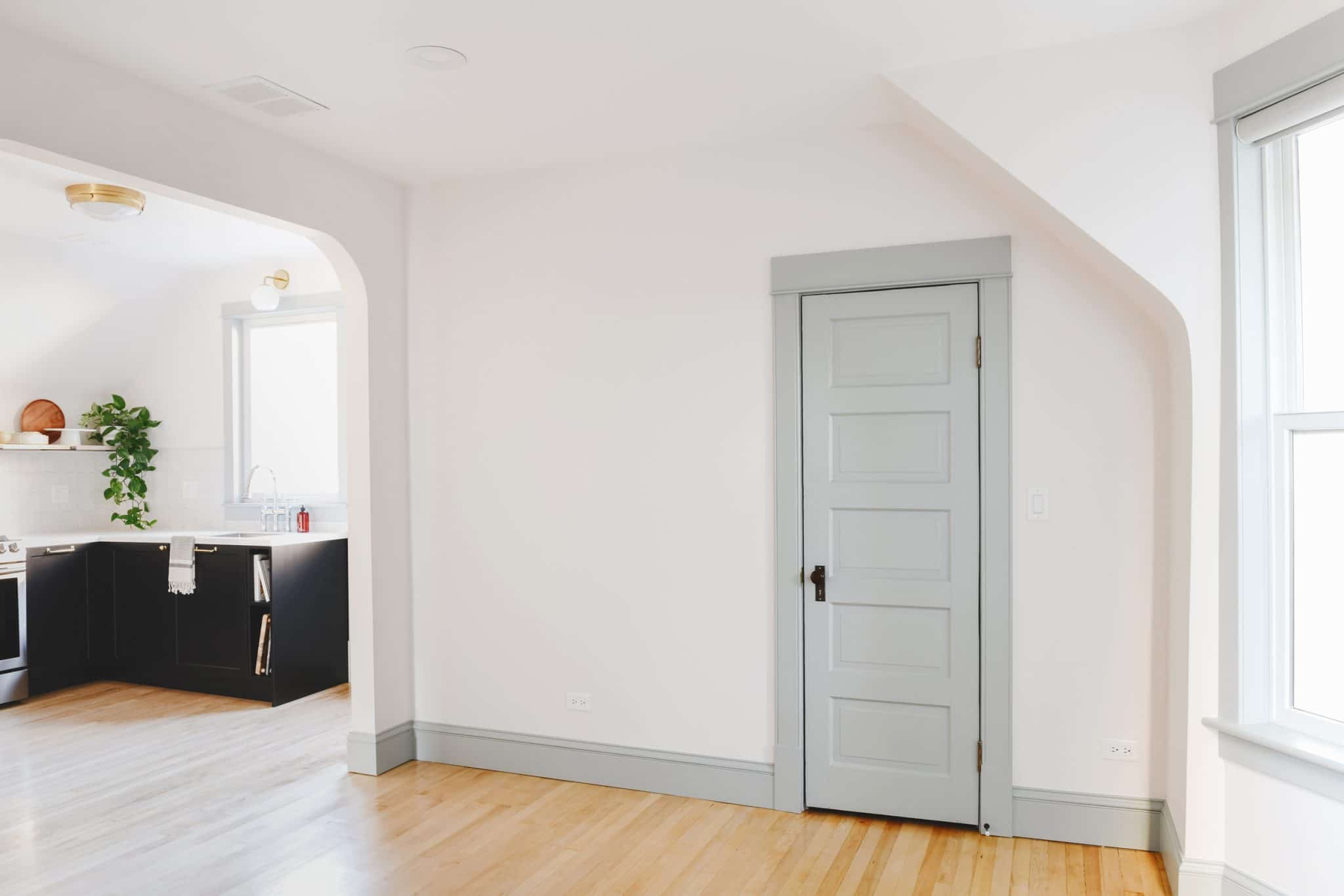
Do you think this is something I can do with a family and full time job?
Yes! It is very possible. I had a demanding full time corporate job for our first five years as landlords. Back then, we gave up much more of our free time to handle the necessities of property management. Now, since Kim and I both work on YBH full time and create our own schedules, we’re able to handle a lot of our landlord duties during working hours. It’s obviously a huge plus for us. It is doable, but sometimes demanding at inopportune times, so be sure to consider how much or your free time you may be willing to sacrifice.
How often do your units turn over, and what is your time commitment when they do?
We pride ourselves in taking great care of our units and the tenants that call them home. We believe that our attention to detail is part of the reason that our average lease cycle is around 3 years. When our units do turn over, our time commitment varies. I generally handle all of our showings and communication with potential tenants and Kim handles back-end stuff including the leasing, set up of the auto-pay etc. Between cleaning and repairs and all of the logistics of showing the unit and setting up the accounts, we definitely spend a few full working days each time a unit turns.

How much time goes into routine and emergency maintenance?
We’ll cover a lot more on the maintenance aspect later, but I probably average an hour or two per week managing the Two Flat because we do our own yard work and snow removal. However, that job can be hired out if you’re crunched for time! That amount if hours is significantly lower for our garden unit, since the property is below our primary residence, and I’d be doing the yard maintenance regardless.
Do you feel like you’re on call at all times?
Yes. To a small degree. The thought of an issue arising is always in the very back of my mind. However, outside of the incredibly rare ‘drop everything’ emergency, most contact from our tenants can be handled with a quick follow-up response letting them know that I’ll stop by in the next day or so to address their concerns. Even if it’s a job that I or a professional can’t do right away, I will always text them back with an update within an hour. (The same goes for our Airbnb!)

Leasing + Logistics
How do you find a renter you can trust?
Here in Chicago, we have an incredible rental search and listing website called Domu. Unlike Craigslist or Facebook Marketplace, Domu verifies all listings and charges a small fee, which does a really great job of weeding out the junk and scam posts. In our experience, listing on Domu attracts better prospective renters and only costs us around $25 each time we list a unit. We also meet every prospective renter on-site when we show our properties, which gives everyone an opportunity to ensure a good fit. We go with our gut and have been almost entirely successful finding great folks. We also do background and credit checks, plus contact previous landlords for references.

I’d also be remiss not to mention our admitted advantage of being able to share listings on social media. We receive messages from readers requesting information when units become available, and if there’s a turnover in the near future, we do our best to let them know!
I’m stumped on the logistics. How do you create a lease and collect payment?
Domu also provides our leases, which are very specialized in Chicago. We must adhere to the Chicago RLTO (Rental Landlord Tenant Ordinance), which offers legal protections for both property owners and renters. We are required to provide forms on lead paint, bed bugs, heating estimates, even forms that share the exact day the tenant can expect trash and recycling pick-up! Domu has an entire section for Chicago landlords to download the necessary forms, a basic lease, and blog with articles that cover any question you can think of!
It’s a unique market and we’ve had to learn a lot in the last ten years to ensure that we’re doing everything by the books. Our best advice for you would be to research your municipality to determine the specific ordinances in your area prior to entering into your first lease. That sentence is much easier to type than to do, but this will likely be the most challenging part of getting set up!
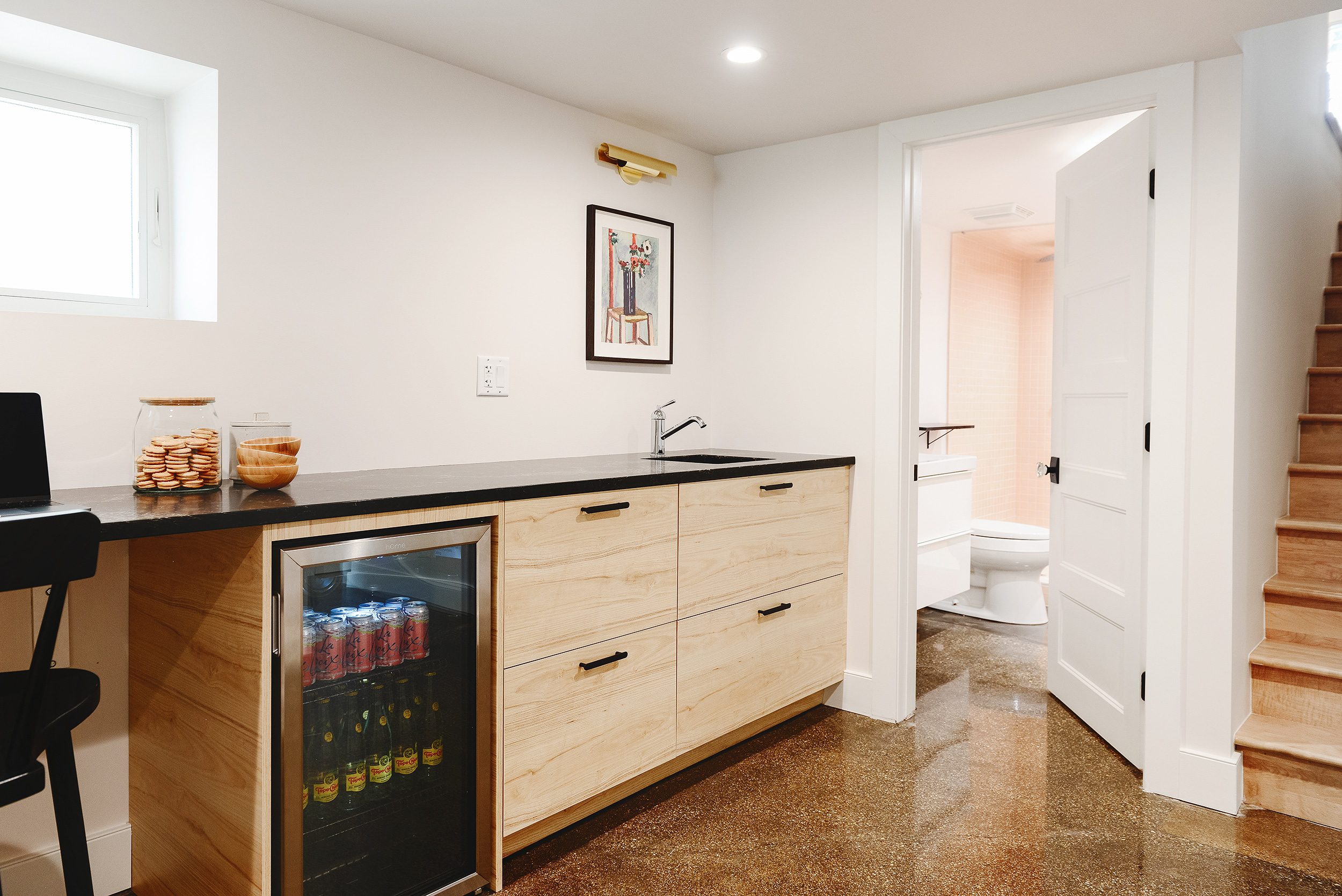
Do you perform background checks?
Yes, absolutely! We use the site LeaseRunner to perform background and credit checks, and it’s also where we set up ACH rent collection. LeaseRunner is a wealth of rental knowledge, and if you’re ever stumped or can’t find an answer, their customer service has always been top notch.
Do you increase rent every year?
We do everything in our power to avoid increasing rents for current tenants, and it’s important to us that we remain a fair and reasonable rate in our (highly desirable) neighborhood. We do occasionally increase rates between renters when our operating costs (utilities, taxes etc.) increase. Keeping a great tenant at an existing rate is far more valuable to us than having to go through the screening process all over again for a small increase in rent. This also motivates tenants to stay in their units, which we feel is a win for everyone!
Maintenance + Repairs
As a landlord, what portion of the property is your responsibility to maintain?
Generally speaking, we think of it the same way renters insurance does – Everything inside the interior walls is the responsibility of the tenant to clean and maintain (with the exception of things like appliances, mechanical systems etc). Common areas and exteriors are all our responsibility to maintain ourselves or hire out. In our experience, this is how most multi-unit buildings are managed, but single-family homes will often include yard maintenance and snow removal as a tenant responsibility.
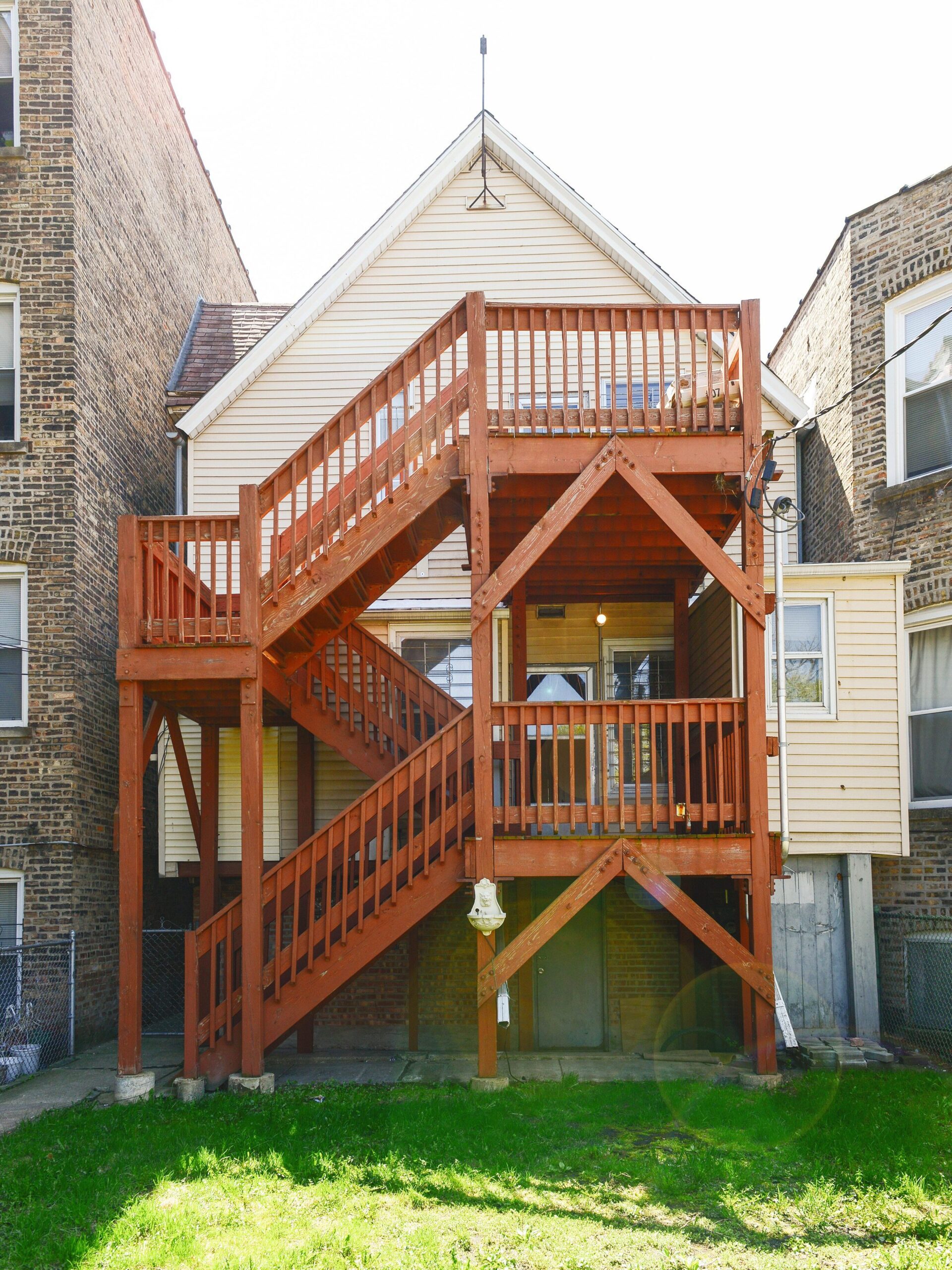

How do you handle service calls? Do you call a tradesperson or DIY the repairs?
When we receive a text from a tenant, I usually stop by within 24 hours (but often within an hour or two if I’m available, and since we’re so close to our properties) to diagnose the concern and see if it’s something I can handle myself. On the rare occasion that I won’t be able to handle something in a reasonable amount of time or a project is outside my skillset, we have a roster or tradespeople that we trust to handle any issues.
Do you or have you considered hiring a management company?
We definitely considered a management company when I still had a full-time job and worked long hours in the office or out in my sales territory. Now that we’re both self-employed and can make our own schedules, we have a lot more flexibility to handle things as they arise. It’s not something we’ve completely ruled out for the future, but maintaining 100% of our rental income is our priority at the moment.
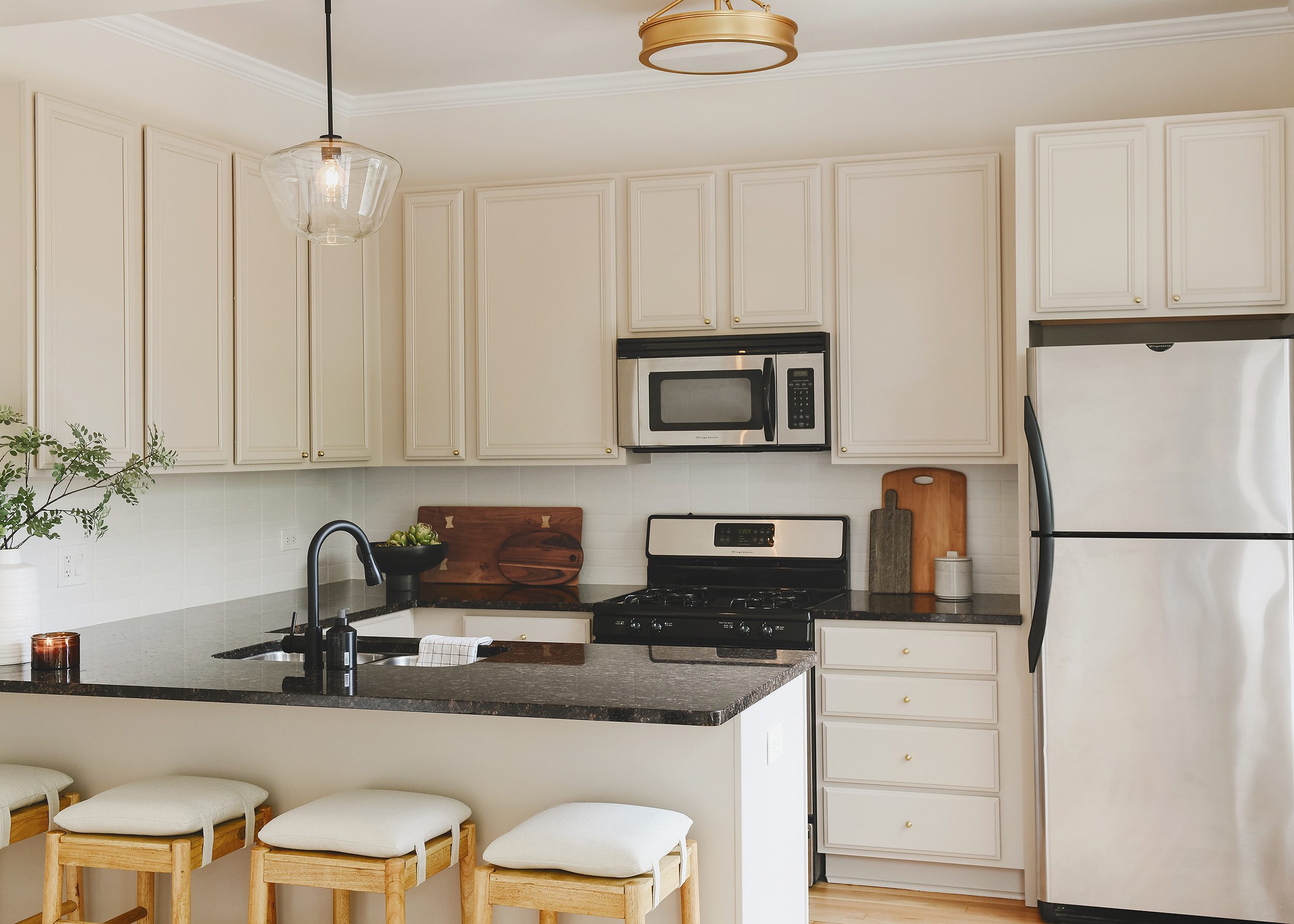
What is considered ‘normal wear and tear’ vs. ‘damages’?
When our units turn over, we generally spend a couple of full days doing a thorough cleaning and sprucing-up. We assume that we’ll be scrubbing walls, patching up minor dings, touching up paint and tightening hardware, for example. And cleaning. Lots and lots of cleaning. From our perspective, anything that requires us to hire a professional or purchase specialized materials is considered damage and we’ll address it at the end of the lease. The only time this has come up was when a former renter’s dogs ruined a large section of hardwood flooring in the condo. She was fully prepared to forfeit her security deposit for floor refinishing when she moved out (I believe she even brought it up first!). We provided her with a couple of estimates to show the proposed cost so everyone was on the same page, then had the floors refinished after she moved out.
Tenant Relations
What is your relationship like with your tenants? Is it ever awkward?
We do everything in our power to maintain friendly, open relationships with our tenants. We’re all adults and we treat each other with mutual respect. We try to stay out of our tenants’ collective hair and only offer friendly seasonal reminders about things like changing furnace filters (which we provide) and turning off exterior water spigots for the winter.
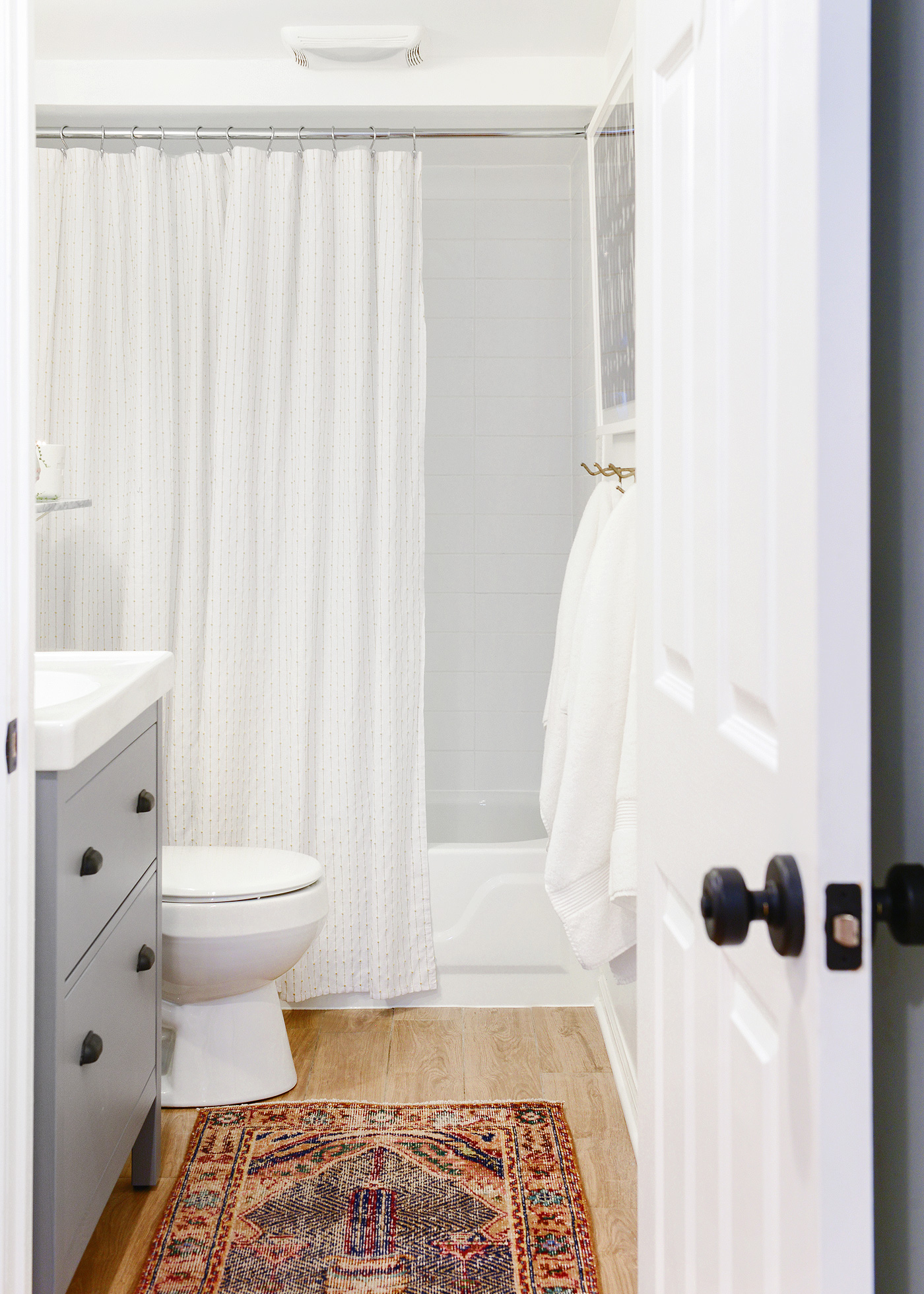
We also keep them in the loop regarding any maintenance (like when we recently had the stairs re-painted at the Two Flat), but we really do our best to leave them to their own devices. At our home, we see our downstairs neighbors daily on dog walks and general coming and going, and we’re very friendly with them. It certainly never feels awkward for us, and we hope they all feel the same way!
How do you navigate shared spaces, especially in Chicago where your buildings are multi-unit (including your own home!)?
Over at the Two Flat, the tenants of both units have become friends and even pet sit for one another! At that property, each unit has its own semi-private back porch, but the front porch and backyard are shared. We make that clear in the leases and at showings, but generally let them figure out how to navigate the shared spaces in a way that works for them. At our house, the backyard is open for our downstairs neighbors to use, but we do ask them to give us a heads up if they’d like to entertain friends etc. We also let them know when we travel so they they can take full advantage of the space with total privacy.

How do you handle a bad tenant (doesn’t pay, messy)?
In this case, we think the best offense is a good defense. In addition to requiring screenings that include background and credit checks, we also reach out to previous landlords for references (potential landlords also reach out to us frequently, for what it’s worth!). All of this work prior to even signing leases has led to an almost entirely fantastic group of tenants over the last decade. There is one early exception to this statement, but we learned a lot and have since changed our protocols to prevent it from happening again.
To Be Continued…
This post was focused on the ‘practical’ side of managing properties in Chicago. Check back in a couple of days for the more open ended and variable questions of our experience including the ethics and morality, financials and big picture thoughts like ‘should I invest in a rental property?’. We’re happy to answer any additional questions you may have and hope we can be a resource for anyone considering a rental property of their own. As always, thanks for being here and thank you for your incredibly insightful questions!
Looking for more? This is our experience as Airbnb hosts, what is ‘home hacking’?, pros and cons of property rentals, and a rental decision recap.









Hi. I just cofounded a new nonprofit in nyc that is working to incentivize housing providers to rent to people with rental subsidies and we use housing provider or property provider. Definitely sounds nicer than landlord. A little clunky but somewhat better. Love your blog. Laura
That’s awesome! Feel free to share the nonprofit you’ve started, including link.
Super. It’s called Anthos|Home and we are at http://www.anthoshome.org
Out of curiosity, would length of time impact what you consider “normal wear and tear” on things like cabinetry, millwork, etc? My mother has been in the same rental for nearly 20 years and we will be moving her closer to us. The corners of cabinet doors are peeling from the pressboard and there are some issues with the baseboards, etc. I’m trying to get an idea of what we might expect once we move her out – also, I know this is your opinion and I have a large grain of salt to take with it. :)
That’s a great question, and certainly something we haven’t come up against. I would probably make sure the landlord knows about the impending move, and start the conversation early. Your circumstance is unique, and reasonable, respectful conversation can go a long way towards finding a middle ground.
If anyone else has input or similar experience, please feel free to chime in!
My family lived in a rental for 15 years and when the owners were selling all their rental properties, they ended up giving my mom double her deposit because her property was in the best condition. They only had to replace the carpet. I don’t remember anything being particularly worn down. She often alerted the landlord pretty quickly when paint was peeling on the exterior trim or a faucet needed to be replaced.
If the landlord owns a lot of properties the likelihood that they will understand normal wear and tear versus damage is likely higher.
In my area for a repair to be deducted from the security deposit it needs to be documented with an itemized estimate within 30 days so if they don’t get that to you in a timely manner that may not keep your deposit. https://www.hud.gov/topics/rental_assistance/tenantrights has a list of resources for each state.
This was awesome. Thank you!
Great post! Tons of valuable info for prospective landlords.
This is a great wealth of information! I do have a question… Which do you prefer: being property managers or AirBnB hosts? Pros/cons to both?
They’re different!! The one thing that’s the same is that we enjoy sharing homes with others that we’ve put a lot of thought into. The biggest difference is that Airbnb requires more on the backend, more frequently. Between setting door codes, scheduling our turnover person and constant updates to keep the house healthy (cleaning, paint touch ups, deep scrubs and more). It also requires us to hire outside help since we’re 90 minutes away — a blessing and a curse as we are reliant on others much more.